Exactly How to Determine Usual Concerns That Call For Immediate Fencing Repair Work
When it involves keeping your fence, it is vital to spot issues prior to they come to be larger problems. Consistently looking for signs of decomposing timber, leaning panels, or rust can conserve you time and cash in the future. You could not understand how weather condition and bugs can compromise your fence's stability. Let's discover the common indications that indicate your fencing needs immediate interest, so you can keep your building protected and looking its best.
Signs of Rotting Timber in Wooden Fences
Have you observed your wood fence looking a bit shabby? If so, it may be time to look for indicators of decaying timber. Take a look at the base of the messages and panels for soft places. If you push on the timber and it really feels squishy or falls apart, that's a clear sign of rot. Next off, try to find staining or dark areas on the timber-- these typically signal moisture damage. Take notice of any type of peeling paint or surface, as this can subject the wood to more degeneration. Furthermore, a poignant, musty scent can indicate fungal growth. Don't fail to remember to evaluate joints and connections; if they hang or falling apart, the timber under is most likely jeopardized. By capturing these signs early, you can protect against more substantial damages and maintain your fence standing strong. Normal maintenance is key to prolonging the life of your wood fencing.
Leaning or Tilting Fencing Panels
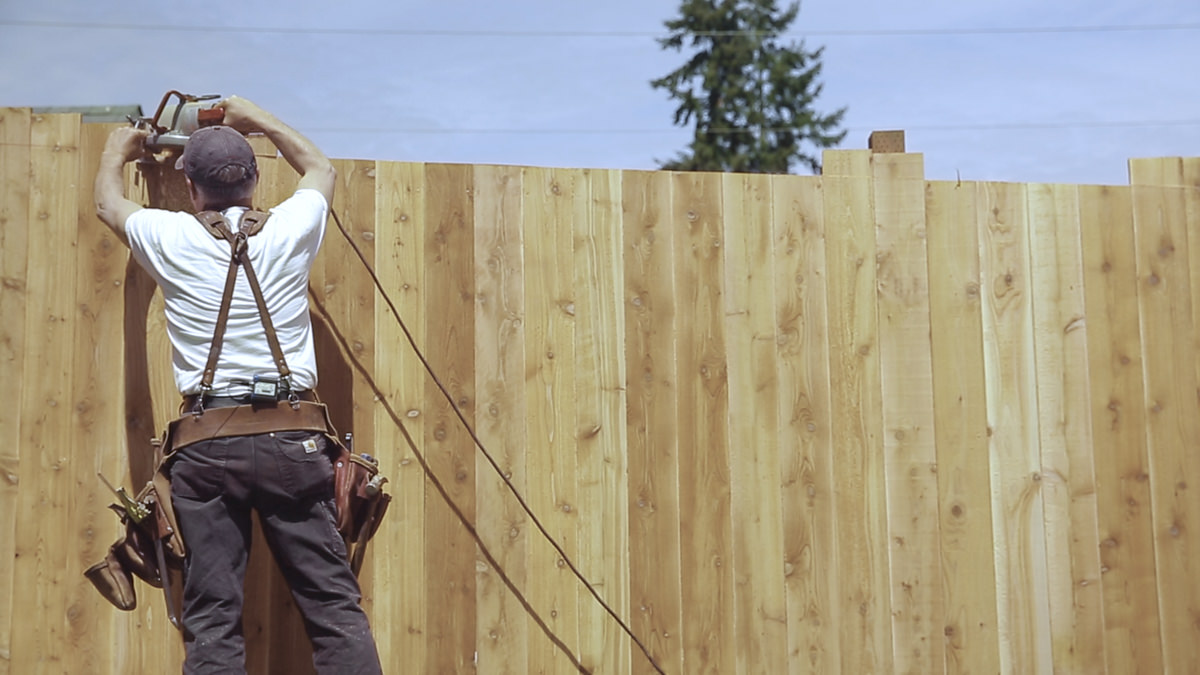
It's critical to understand what triggered it if you have actually noticed your fence panels turning or leaning. This issue may suggest underlying structural damages that requires your focus. Allow's explore the usual reasons and the repair work options available to obtain your fencing back fit.
Root Causes Of Leaning Panels
It's commonly a sign of underlying problems that require dealing with when you see your fencing panels turning or leaning. One common cause is poor drainage; too much water can wear down the dirt around the fencing blog posts, weakening their assistance. Another wrongdoer might be strong winds or storms that press versus the panels, specifically if they're not appropriately secured. Furthermore, the natural settling of soil gradually can create posts to move, leading to a tilt. Insects, like termites, can compromise the stability of wooden panels, triggering them to lean. Inadequate setup methods might result in panels not being securely set, leaving them vulnerable to leaning under stress. Address these issues quickly to keep your fencing's stability.
Signs of Structural Damage
Seeing leaning or turning fence panels can be startling, as these problems typically show structural damage that needs instant attention. When your fence begins to lean, it might signify that the messages are shifting or that the dirt around them has actually worn down. Pay very close attention to voids between posts or panels, as these can likewise recommend instability. deck builder. Additionally, look for cracks or splintering in the timber, which can compromise the general framework. It might jeopardize the integrity of the fence if you observe rust or corrosion on metal components. Keep in mind, neglecting these signs can cause much more extreme damages down the line, so it's important to assess the situation promptly and take activity before it gets worse
Repair Service Options Available
Corrosion and Rust in Metal Fences
If you possess a metal fencing, you may observe rust and corrosion slipping in with time, especially if it's revealed to moisture. These problems not just affect the look of your fence yet can additionally endanger its architectural stability. To identify rust, search for reddish-brown places or spots, which suggest the steel is oxidizing. Rust can spread rapidly if left untreated, weakening the fencing and leading to costly repairs.To take on rust and deterioration, you must cleanse the influenced locations with a cable brush and apply a rust-inhibiting guide. Once the primer dries out, think about painting the fencing with a weather-resistant paint to protect it further. Regular upkeep, such as examining for signs of corrosion and retouching paint as required, will certainly help expand your fence's life-span. Dealing with these concerns without delay guarantees your metal fence stays strong and visually appealing for several years to find.
Splits and Splits in Plastic Secure Fencing
Reasons For Plastic Damage
Vinyl fencing is popular for its longevity, yet it can still struggle with fractures and divides because of numerous aspects. One major cause is extreme temperature variations. It can weaken the material over time when plastic expands in the warm and contracts in the cool. Furthermore, direct exposure to severe sunshine can result in UV degradation, making the plastic weak. Physical impacts, like hefty branches or unintentional crashes, can likewise develop cracks. Poor setup or making use of low-grade materials can worsen these issues. Age plays a role; older vinyl fence is much more prone to damages. Regular why not try these out assessments can aid you identify these elements before they cause substantial troubles. Take proactive steps to ensure your fencing continues to be undamaged and solid.
Fixing Cracks Effectively
Fractures and divides in your plastic fencing can be concerning, addressing them quickly can protect against further damage and preserve the fencing's appearance. Initially, assess the size of the crack. For tiny cracks, a vinyl repair service kit usually includes glue that can bond the sides, providing a seamless solution. Tidy the location extensively prior to applying the glue, guaranteeing it sticks appropriately. For bigger splits, you may require to utilize a vinyl spot. Cut the patch to dimension, apply sticky around the sides, and press it firmly onto the split. Permit it to cure based on the manufacturer's guidelines. Normal maintenance and quick fixings can extend your fence's lifespan, maintaining it looking wonderful for years ahead.
Loosened or Missing Out On Fencing Posts
Missing or loose fencing posts can undermine the stability of your whole fence framework. It's important to resolve the problem immediately if you see any type of messages leaning or tottering. Look for any type of signs of activity, as this can result in more damage gradually. You can conveniently analyze the trouble by giving each message a gentle shake-- if it really feels unpredictable, it's time to take action.For missing messages, you'll require to change them as quickly as possible to maintain your fence's honesty. When you install brand-new posts, ensure they're firmly anchored in the ground with concrete or gravel for added stability. If go to this website a blog post hangs, tighten it by adding added assistance or driving it deeper into the ground.Ignoring these problems can bring about bigger problems, like voids in your fencing and even full collapse. So, maintain an eye on your messages and stay positive about repair services!
Damage From Weather and Natural Environment
Weather condition and all-natural aspects can ruin your fencing, leading to various forms of damages that need prompt interest. Hefty rain can trigger timber to rot, making it unpredictable and weak. Snow buildup may bend or damage panels, while strong winds can root out fencing articles or trigger sections to lean.If you see splits or splintering in wood fences, it suggests drying as a result of extreme sunlight exposure. Steel fences can corrosion if protective coatings put on off, particularly in humid or seaside areas.Inspect your fencing consistently after tornados or extreme climate to catch any type of damage early. Resolving these issues swiftly can save you from expensive repairs down the line. Don't wait till a small trouble develops into a significant one; stay positive and keep your fence leading form to preserve both capability and visual appeal.
Insect Invasion and Termite Damage
When you discover signs of bug problem or termite damage, it's important to act rapidly to avoid further destruction. Try to find mud tubes along your fencing or hollow-sounding wood, as these show termites are at job. You might likewise see little holes or frass, which is termite droppings appearing like sawdust. If you identify any one of these indications, it's time to evaluate the damage.Don' t delay till it's far too late; pests can endanger your fencing's stability. Examine the surrounding location for ants or beetles, as they might be adding to the trouble. If you think an invasion, consider speaking to a parasite control professional to validate and treat the issue.Repairing or changing damaged areas of your fence quickly not only recovers its toughness but also prevents pests from spreading out further. Keep vigilant to maintain your residential or commercial property pest-free and safe and secure.
Regularly Asked Concerns
Exactly how Commonly Should I Check My Fence for Damages?
You must examine your fencing at the very least twice a year, preferably during springtime and autumn. Routine checks help you identify damage early, conserving you money and time on fixings while preserving your property's look and protection.
Can I Repair a Fencing Myself or Hire a Specialist?
You can absolutely fix a fencing on your own if you have the right tools and abilities. Nonetheless, employing a specialist guarantees high quality job and saves you time, particularly for complex repair work or extensive damage.
What Equipment Are Required for Basic Fence Repair Work?
For standard fencing fixings, you'll need tools like a hammer, screwdriver, pliers, a saw, a level, and determining tape. deck builder. Relying on the fixing, you might also need nails, screws, or substitute boards
Just How Much Does Fencing Repair Normally Price?
Fence repair work expenses vary extensively, but you can expect to pay in between $200 and $1,500 relying on products, labor, and level of damages. It's clever to obtain numerous quotes for the very best bargain.
When Is the most effective Time of Year for Fence Repair Works?
The most effective time for fence fixings is throughout moderate weather condition, commonly in springtime or very early loss. You'll stay clear of severe temperature levels, making it much easier to work and i was reading this guaranteeing the materials set effectively for lasting resilience (deck builder). Noticing turning or leaning fencing panels can be disconcerting, as these issues frequently indicate architectural damages that needs immediate attention. Loose or absent fence blog posts can weaken the stability of your whole fence framework. Snow build-up might flex or damage panels, while solid winds can uproot fence articles or create sections to lean.If you notice splits or splintering in wooden fencings, it's an indicator of drying out due to extreme sun exposure. Metal fences can corrosion if safety coatings put on off, specifically in moist or coastal areas.Inspect your fencing regularly after tornados or extreme climate to catch any kind of damages early. Fencing repair service costs differ extensively, however you can expect to pay in between $200 and $1,500 depending on materials, labor, and degree of damages
Comments on “DIY vs Licensed Fence Repair — What You Should Know”